
Ugarit (Ras Shamra): The Ancient Jewel of Latakia
Ugarit, known today as Ras Shamra, stands among the most important archaeological sites in the ancient Near East. Located near Latakia on Syria’s Mediterranean coast, Ugarit once thrived as a powerful center of trade, culture, religion, and writing. Long before many later empires rose to prominence, this coastal city shaped early diplomacy and helped transform written communication.
Today, Ugarit may seem quiet and lesser-known compared to other Middle Eastern ruins. However, the site preserves one of the most influential chapters in early human civilization.
Where Ugarit Was Located and What Ras Shamra Is Today
Ancient Ugarit stood at what we now call Ras Shamra, an archaeological mound about 10–12 kilometers north of Latakia in northwestern Syria. The ruins lie less than a kilometer from the Mediterranean Sea, surrounded by fertile farmland and coastal landscapes.
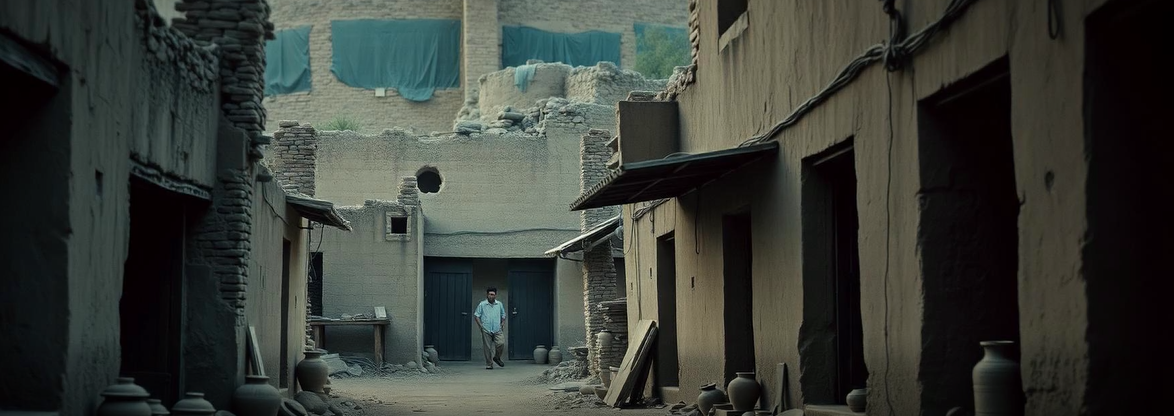
The site of Ras Shamra appears today as a fenced archaeological area with information panels in Arabic, English, and French. Although it does not display massive standing monuments like some famous ruins, Ras Shamra carries deep historical importance.
Visitors can reach Ras Shamra from Latakia in about 15–20 minutes by taxi or private car. Public transport does not run directly to the site, so most travelers arrange private transportation.
The History of Ugarit: From Prehistoric Roots to Rediscovery
Early Settlement
Archaeological evidence shows human activity at Ras Shamra as early as the Neolithic period around 6500 BCE. By the Early Bronze Age, a structured town had already developed.
The Golden Age of Ugarit
Between 1450 and 1200 BCE, Ugarit reached its peak. During this period, the city functioned as a cosmopolitan port and trade hub. Merchants connected Anatolia, Egypt, Cyprus, and Mesopotamia through its harbor. As trade expanded, wealth and cultural exchange strengthened the city’s influence.
Destruction Around 1200 BCE
Around 1200 BCE, widespread upheavals struck the eastern Mediterranean. Invasions, political instability, and possible natural disasters led to Ugarit’s destruction. After this collapse, the city never regained its former power.
Rediscovery in the 20th Century
In 1928, a local farmer uncovered an ancient tomb at Minet el-Beida near Ras Shamra. This discovery triggered systematic excavations in 1929 under French archaeologist Claude F. A. Schaeffer. Excavations revealed royal palaces, temples, homes, and thousands of clay tablets that transformed our understanding of Bronze Age society.
Why Ugarit Matters in World History
Ugarit as a Mediterranean Trade Hub
Ras Shamra occupied a strategic coastal position along major trade routes. Merchants moved goods, metals, textiles, and ceramics between Egypt, Cyprus, Anatolia, and the Aegean world. Archaeologists have uncovered imported artifacts that confirm these wide connections.
Because of this trade network, Ras Shamra developed into a multicultural and economically powerful city.
Ugarit’s Literary and Diplomatic Archives
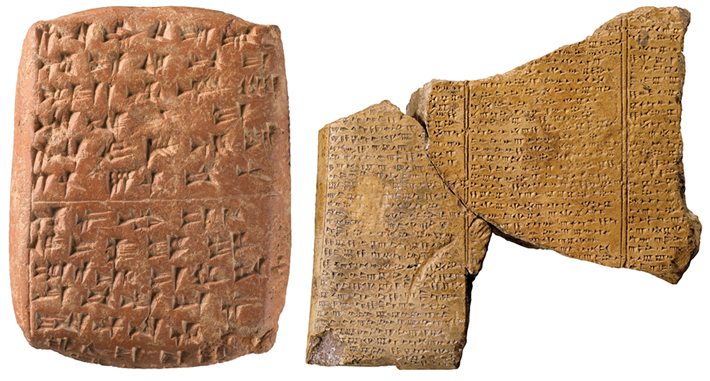
Excavations uncovered an extensive archive of clay tablets. These tablets contain royal letters, trade agreements, administrative records, and religious texts. They reveal how rulers negotiated alliances, managed commerce, and organized daily life.
The archives offer one of the clearest pictures of Late Bronze Age diplomacy and governance.
Ras Shamra and the Birth of Alphabetic Writing
One of Ugarit’s most important contributions lies in its writing system. The Ugaritic script consists of a 30-sign cuneiform alphabet. Unlike earlier complex writing systems, this alphabet simplified written communication.
Scholars consider Ugaritic one of the earliest known alphabetic systems. Its structure influenced later alphabetic traditions across the Mediterranean world.
Religion and Mythology in Ras Shamra
The ruins include temples dedicated to deities such as Baal and Dagan. Religious texts discovered at the site describe myths, rituals, and divine narratives. Many of these stories share themes with later Near Eastern and biblical traditions.
Through these texts, Ras Shamra helps scholars understand the religious imagination of the ancient Levant.
Exploring Ugarit (Ras Shamra) Today
Although regional instability has affected parts of Syria, visitors can still access Ras Shamra. The site remains relatively calm and uncrowded, offering a reflective atmosphere.
What You Can See at Ugarit
Royal Palace Foundations – The visible outlines of the palace complex show how administrators once governed the city.
Temple Areas – Stone remains mark sacred spaces once dedicated to major deities.
Residential Quarters and Streets – Flattened structures reveal the layout of homes and city blocks.
Walking through these remains allows visitors to imagine daily life in Bronze Age Ugarit.
Visitor Experience
The site feels quiet and spacious, with few tourist crowds.
Facilities remain limited, so visitors should bring water and sun protection.
Local guides from Latakia can provide valuable historical context.
How to Visit Ugarit from Latakia (2026 Guide)
Getting There
Travelers can reach Ras Shamra from central Latakia in 15–20 minutes by taxi, private vehicle, or organized tour. The coastal road north of the city provides the easiest access.
Entrance Fees
Ugarit requires an entry ticket. While official 2026 pricing may vary, fees generally remain modest and may differ for locals and foreign visitors.
Watch the topic as a video on our YouTube channel
Best Time to Visit Ras Shamra
Spring and autumn offer mild Mediterranean weather and comfortable exploration conditions. Summer brings strong sun and heat, while winter may include rain.
Arwad Island: History and Facts About Syria’s Only Island
The Enduring Legacy of Ugarit
Although Ras Shamra no longer functions as a living city, its legacy continues to shape historical scholarship. The city stands as one of the earliest literate societies and one of the most connected trade hubs of the ancient Mediterranean.
Ugarit influenced writing systems, diplomacy, mythology, and cultural exchange. Its ruins at Ras Shamra remind us that long before modern globalization, ancient cities built complex networks that linked continents.
Visiting Ras Shamra means more than exploring stone foundations. It means stepping into the roots of alphabetic writing, international trade, and organized civilization — foundations that still influence our world today.
Leave a Reply