
Discover Tell Bi’a (Tuttul): The Ancient City Near the Euphrates in Northern Syria
Discover Tell Bi’a (Tuttul), the ancient city near the Euphrates River in northern Syria. This important archaeological site reveals thousands of years of Mesopotamian history. Today, Tell Bi’a stands as one of the key Bronze Age centers along the Euphrates.
Located near the modern city of Raqqa in the Raqqa Governorate, the site connects geography, trade, religion, and power. Because of its strategic position, ancient rulers transformed Tuttul into a thriving urban center.
A Strategic Location Between the Euphrates and Balikh Rivers
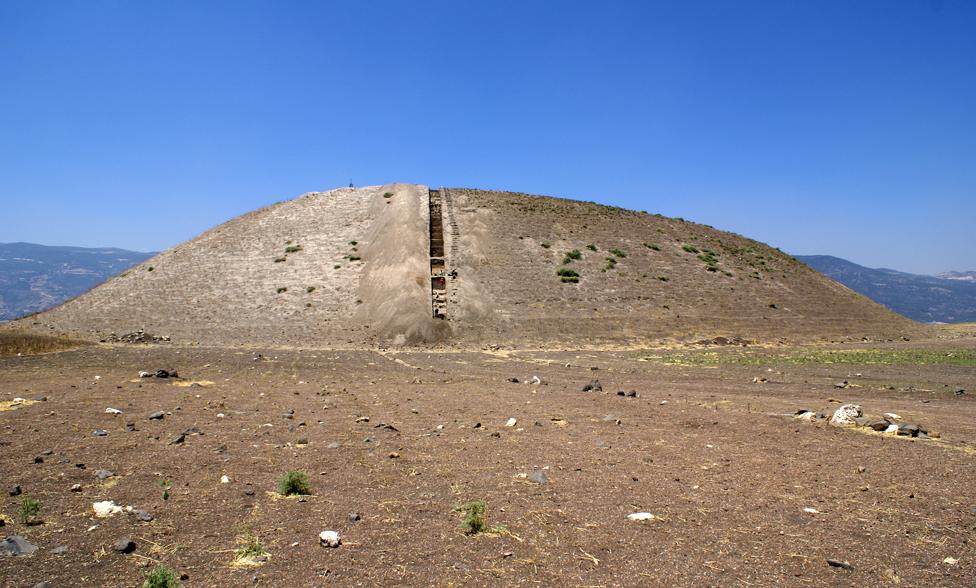
Tell Bi’a rises above fertile plains at the meeting point of the Euphrates and the Balikh River. This location gave the city natural advantages.
First, the rivers provided water for farming. As a result, agriculture flourished. Second, the waterways allowed boats to transport goods and people. Therefore, Tuttul became a trade hub between Mesopotamia and inland Syria.
Moreover, the elevated mound offered protection. Residents could monitor movement across the plains. For this reason, the city developed into a powerful regional center.
Early History: From the Uruk Period to the Bronze Age
Settlement at Tell Bi’a began in the fourth millennium BCE during the Uruk period. At that time, urban life expanded from southern Mesopotamia into Syria. Consequently, Tell Bi’a became one of the earliest organized settlements in the region.
By the third and second millennia BCE, the settlement grew into the Bronze Age city-state of Tuttul. During the Middle Bronze Age (c. 2000–1600 BCE), the city reached its peak.
Importantly, written records from the city of Mari mention Tuttul frequently. These texts describe its rulers, economy, and religious life. Therefore, historians consider Tuttul an active political player in Mesopotamia.
Religious Significance of Tell Bi’a (Tuttul)
Religion shaped the identity of Tuttul. The city housed a major temple dedicated to the god Dagan. This deity held great importance across the ancient Near East.
As a result, pilgrims and officials visited the city. Religious ceremonies strengthened both spiritual authority and political power. In addition, temple activities supported the local economy.
Centuries later, builders constructed a Byzantine monastery above the older Bronze Age layers. This later structure proves that the site remained spiritually important long after its political influence declined.
Trade, Politics, and Regional Influence
Tell Bi’a controlled key river routes. Therefore, it influenced the movement of goods, ideas, and people.
Trade connected Tuttul with major cities such as Ebla and Babylon. Through these connections, merchants exchanged agricultural products, metals, and textiles.
At the same time, rulers engaged in diplomacy and alliances. Cuneiform tablets from the site reveal organized administration and economic planning. Consequently, Tell Bi’a played a vital role in regional networks.
Archaeological Excavations and Discoveries
Modern excavations took place between 1980 and 1995. The work was led by the Deutsche Orient-Gesellschaft.
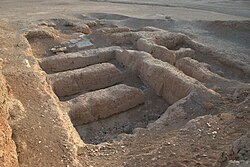
Archaeologists uncovered palace remains, fortifications, temples, and later Byzantine buildings. In addition, they discovered important cuneiform tablets from the Old Babylonian period.
Today, these artifacts are preserved in institutions such as the National Museum of Syria in Damascus and the Raqqa Museum. These findings help scholars understand Bronze Age urban life in northern Mesopotamia.
Tell Bi’a Today: Preservation and Challenges
Today, Tell Bi’a remains a site of great archaeological value. However, it faces serious challenges.
Conflict, looting, and environmental damage have affected parts of the mound. As a result, some archaeological layers have suffered.
Nevertheless, heritage specialists continue to emphasize its importance. Protecting Tell Bi’a ensures that future generations can study one of the most significant ancient cities near the Euphrates River.
Visiting Tell Bi’a (Tuttul)
Visitors can reach Tell Bi’a from Raqqa in about 10–15 minutes by car. The mound stands roughly three kilometers northeast of the city center.
Because the site lacks full tourist infrastructure, visitors should prepare for uneven ground. In addition, hiring a local guide can improve the experience and provide historical context.
As of 2026, no official entrance fee has been announced. However, travelers should check local conditions before planning a visit.
Ebla Syria: Ancient City and Archaeological Site Guide
Why Discover Tell Bi’a?
Discovering Tell Bi’a (Tuttul) means exploring one of northern Syria’s earliest urban centers. The site shows how ancient communities built cities, organized trade, and shaped Mesopotamian civilization.
In conclusion, Tell Bi’a stands as a powerful reminder of human resilience and innovation. Its location between rivers made it a center of trade and belief. Today, its layered history continues to inform and inspire scholars around the world.
Leave a Reply