
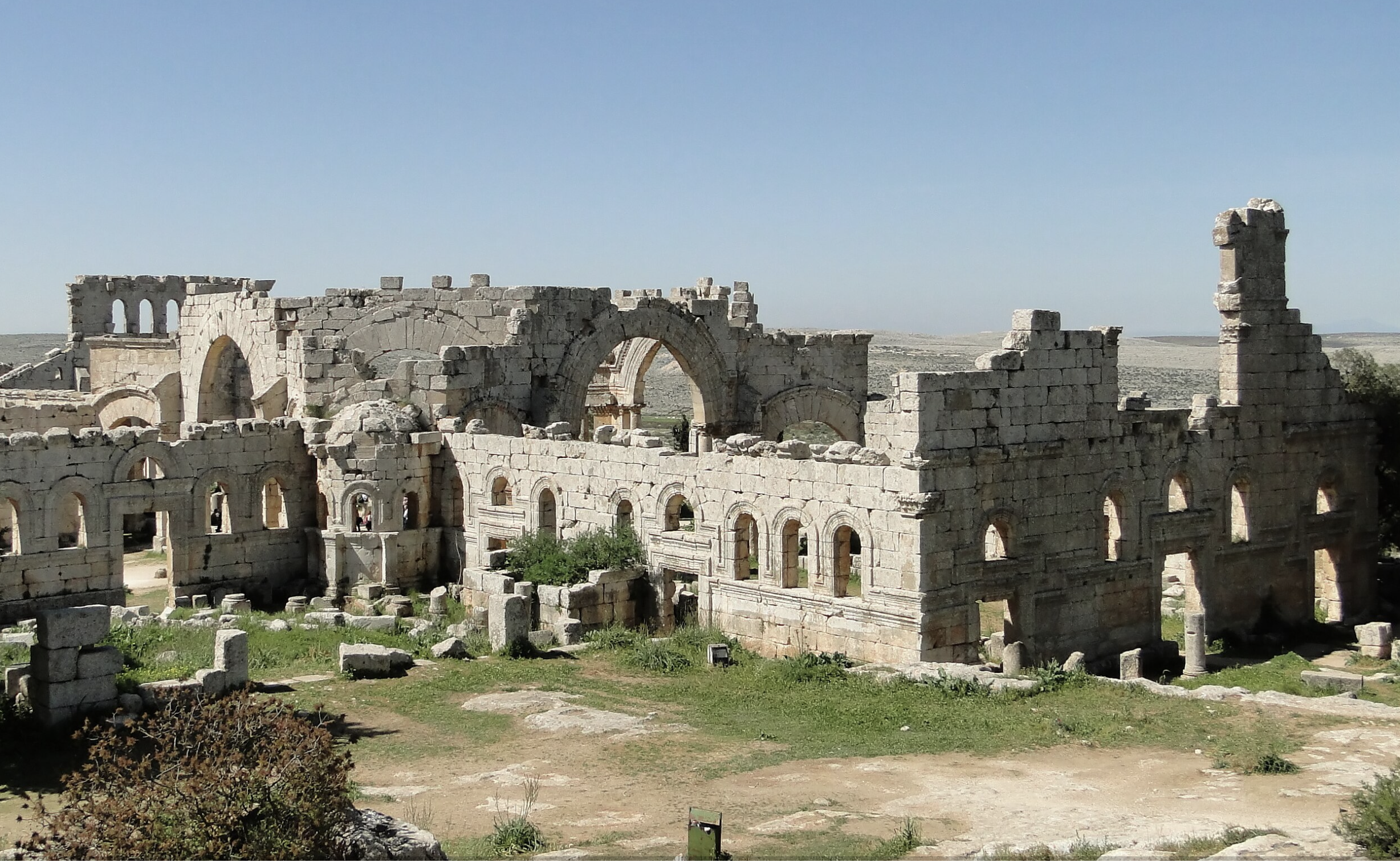
Ras al-Ayn is an ancient city in northeastern Syria, famous for its natural springs and rich archaeological history dating back thousands of years.
Situated near Syria’s northeastern frontier with Turkey, Ras al-Ayn is one of the region’s oldest continuously inhabited places. Its name, meaning “Head of the Spring,” reflects the abundant waters that shaped settlement, trade, and culture in Upper Mesopotamia for thousands of years.
Rather than a single ruin frozen in time, the city represents a living historical landscape where ancient foundations coexist with modern life.
📍 Ras al-Ayn: Geographic Setting and Natural Wealth
The city lies within al-Hasakah Governorate, close to the Turkish border and at the heart of the Khabur River basin. Because of its extraordinary concentration of natural springs, the area became fertile ground for early agriculture and long-term settlement.
As a result, communities here developed earlier and more sustainably than in many surrounding regions.
🏺 Ras al-Ayn in Early Settlement and Ancient States
Archaeological evidence shows human activity near the springs as early as 8000 BCE. During the early second millennium BCE, the nearby mound now known as Tell Fekheriye formed the core of an Aramean settlement called Sikkan, which later became part of the Assyrian sphere.
Under Roman rule, the city gained prominence as Rhesaina, while Byzantine authorities later renamed it Theodosiopolis. Throughout these transitions, the water sources continued to fuel agriculture, trade, and cultural exchange.
⚔️ Ras al-Ayn and Strategic Importance in Medieval Times
Because of its location between Anatolia, Mesopotamia, and the Levant, the city frequently found itself at the center of imperial competition. During the early Islamic period, control shifted between Arab and Byzantine forces.
Later, medieval power struggles among regional dynasties left their mark on the area. Nevertheless, the population remained culturally diverse, including Arab, Kurdish, Assyrian, Armenian, and other communities.

🧱 Archaeological Landscape and Living Memory
Unlike famous Syrian citadels defined by a single fortress, the historical remains here form a dispersed archaeological setting. Ancient settlement mounds, traces of walls, and remnants of urban planning surround the springs and the old town.
Moreover, more than one hundred natural water sources — some thermal and mineral-rich — still flow today. These springs provide the strongest tangible link between the modern city and its ancient past.
🌍 Historical and Modern Significance of Ras al-Ayn
In the past, the city’s importance stemmed from:
Reliable water supply and agricultural productivity
Its role as a cultural crossroads
Strategic positioning between rival powers
Today, its value lies equally in archaeology and geopolitics. Although less known than sites like Palmyra, it offers rare insight into early urban development in northern Mesopotamia.
🚗 Visiting Information and Access
In stable periods, travelers reached the city by road from al-Hasakah or via Qamishli. However, current conditions in 2026 require careful planning, coordination with local authorities, and up-to-date safety information.
Therefore, visits should always be arranged with experienced guides familiar with the region.
🎟️ Entrance Fees and Practical Notes (2026)
There is no officially published entrance ticket for the archaeological areas as of early 2026. Smaller heritage sites often rely on locally arranged access rather than centralized ticketing.
Consequently, visitors interested in sites such as Tell Fekheriye should consult local archaeological offices or licensed guides for permissions and current regulations.
A video about Ras al-Ain is on our YouTube channel.
🌤️ Best Time to Visit
Spring and autumn offer the most comfortable weather. In addition, nearby sites such as Tell Halaf provide valuable extensions to a historical itinerary in northeastern Syria.
Salkhad Castle (Salhad): History and Facts About the Ancient Castle in Syria
Conclusion: Time Flows Like the Springs
Ras al-Ayn is not just an archaeological destination — it’s a living story where natural beauty and historical depth converge. From the ancients who first settled around its waters to the visitors of the 21st century who walk its ancient streets, the legacy of Ras al-Ayn continues to flow like its springs: timeless and vital.
Whether you’re a history enthusiast, a travel adventurer, or someone seeking the roots of human civilization, a visit here offers a rare chance to stand at one of humanity’s earliest crossroads — where every stone and spring whispers of the ages
Old Aleppo Markets Facts: The Largest Covered Souq in the World
Leave a Reply