
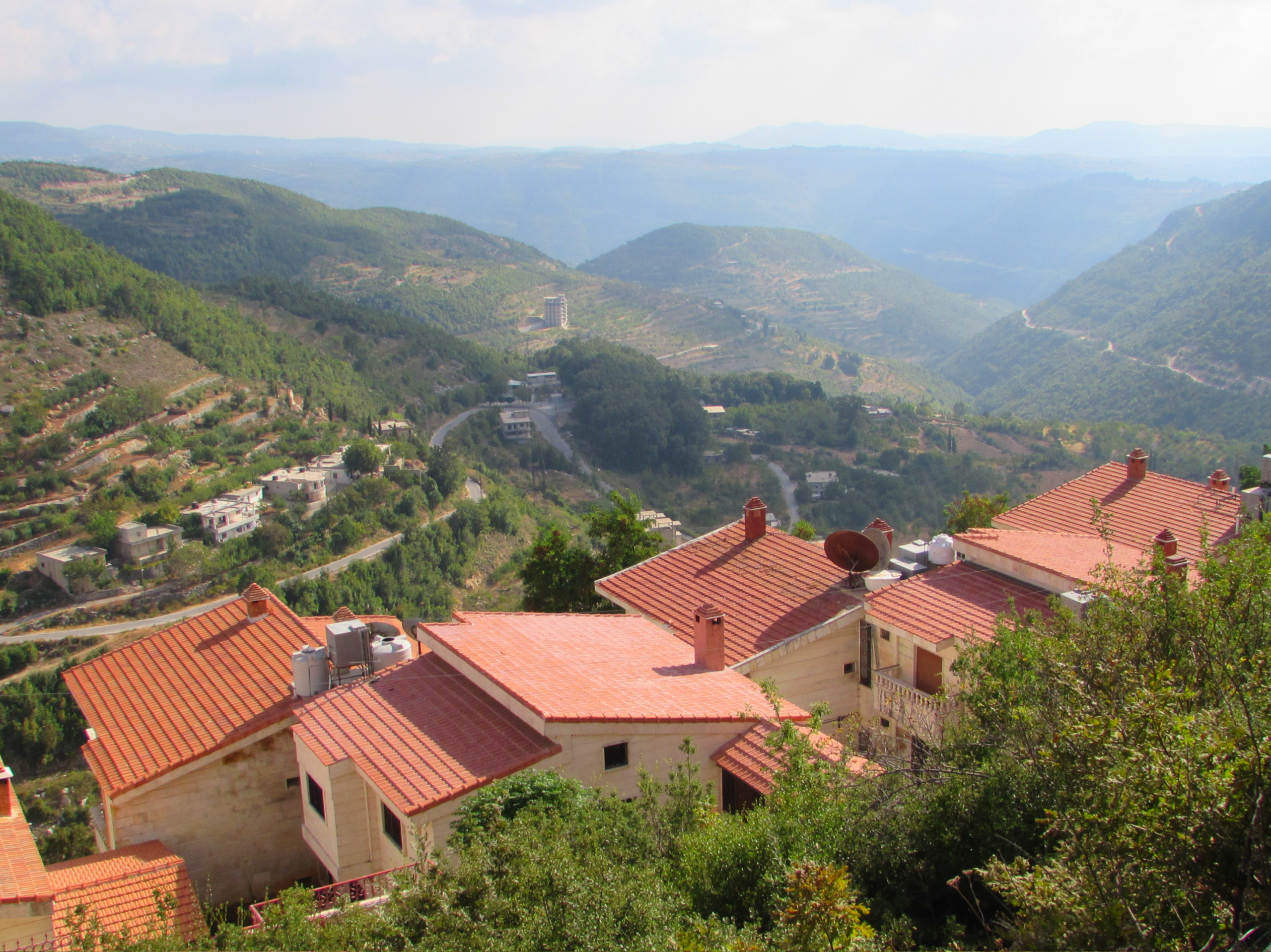
Old Salenfeh is a mountain town in Latakia countryside, Syria, famous for its cool climate, forests, and beautiful natural landscapes.
Nestled high in the coastal mountains of northwestern Syria, Old Salenfeh stands as one of Latakia Governorate’s most serene and visually striking mountain settlements. Rising to an elevation of approximately 1,200 meters above sea level, Old Salenfeh is known for its cool climate, dense forests, and sweeping panoramic views that extend toward the Mediterranean coastline. Over time, Old Salenfeh has earned a reputation as a natural retreat where mountain life, seasonal rhythms, and cultural continuity intersect.
Unlike bustling coastal cities, Old Salenfeh offers a slower pace of life shaped by elevation, nature, and long-standing rural traditions. As a result, it continues to attract visitors seeking calm landscapes, clean mountain air, and authentic countryside experiences.
📍 Where Old Sallenfe Is Located
Old Salenfeh is situated within the Syrian Coastal Mountain Range, east of the city of Latakia. This geographic position places Old Salenfeh between the Mediterranean shoreline and the interior highlands, creating a rare balance between coastal proximity and mountain isolation.
Most visitors reach Old Salenfeh by first traveling to Latakia, then ascending through winding mountain roads that pass forested slopes and elevated ridges. Consequently, the journey itself becomes part of the experience, as the humid coastal air gradually gives way to the cooler mountain climate of Old Salenfeh.
On clear days, Old Salenfeh offers remarkable views that stretch from pine-covered hills down to the blue waters of the Mediterranean Sea, highlighting its unique vantage point within Latakia Governorate.

🏛️ A glimpse into the past of Old Salenfeh
Unlike major ancient cities such as Latakia, which Phoenician fishermen founded more than 3,000 years ago, Sallanfa does not center around monumental ruins. Its history follows a different narrative. It is rooted in rural settlement, seasonal habitation, and close ties to the surrounding landscape.
Over time, the town developed as both an agricultural hub and a summer retreat. Its cool air and fertile soil supported orchards, small farms, and livestock grazing. Later, the climate attracted families who built vacation homes to escape the intense coastal heat.
In this sense, Sallanfa’s historical depth does not rely solely on stone remains. Instead, it lives through traditional Levantine mountain life. Winding forest roads, terraced hillsides, and seasonal rhythms shaped daily life for generations. These patterns still influence how residents interact with the land today.
🏡 The importance of Old Salenfeh in the past and present
Historical Importance of Old Salenfeh
Historically, Old Salenfeh played an important role in:
Supporting mountain agriculture and grazing lands
Serving as a summer retreat for coastal populations
Connecting rural highland communities with Latakia’s markets
Modern Importance of Old Salenfeh
Today, Old Salenfeh continues to hold value through:
Eco-tourism opportunities, including forests, viewpoints, and hiking trails
Climate advantages, with mild summers and snowy winters
Cultural authenticity, reflecting traditional mountain lifestyles of the Syrian coast
Although recent events have affected the wider region, Old Salenfeh remains deeply cherished by locals and continues to regain its quiet, natural rhythm.
🌳 What to See inOld Salenfeh Today
Even though Sallanfa isn’t centered on monumental archaeology, it offers many experiences rooted in natural heritage and rural culture:
🌲 Mountain Forests
The town is surrounded by forests of pine, oak, and cedar that come alive with seasons — from snow-dusted landscapes in winter to verdant escapes in spring.
⛰️ Scenic Lookouts
At several viewpoints near Sallanfa, visitors can see the expansive Latakia plain and the shimmering Mediterranean beyond — a juxtaposition of mountain and sea unique to the region.
🥾 Hiking and Nature Trails
Local trails wind through hills and valleys, offering opportunities for day hikes, bird watching, and exploring local flora and fauna.
📸 Photo and Art Spots
Cultural photographers and landscape artists have documented Sallanfa’s winding streets, silent forests, and golden mountain light — adding to the town’s emerging identity in travel circles.
Video about Old Salenfeh on our YouTube channel
🧭 How to Get There
Here’s how you can reach Sallanfa from the Syrian coast:
- From Latakia City
- Start from Latakia — the nearest major urban center with transport links.
- Take the mountain road north/east toward the highlands. Roads climb steadily through forested terrain.
- Follow signs to Sallanfa; total travel time from Latakia city is typically about 1.5 to 2 hours by car under good conditions.
- From Coastal Areas
- If you’re coming by sea or from neighboring coastal towns, first reach Latakia and then head inland into the mountains.
- Best Times to Visit
- Summer (June to August): Pleasantly cool compared to the coast.
- Spring and Autumn: Crisp, green, and great for hikes.
- Winter: Occasional snow transforms the landscape — ideal for winter photography.
Qal’at Simaan (Castle of Saint Simeon): History and Facts About the Ancient Site in Syria
🌟 The living legacy and memory of Old Salenfeh
Sallanfa might not be built of marble columns and ancient fortresses, but its living heritage — the mountain lifestyle, the seasonal rhythms, and the blend of sea-facing views with forested solitude — make it one of Syria’s most heartfelt countryside escapes.
What it lacks in monumental antiquity, it makes up for in:
- Natural beauty
- Local cultural authenticity
- Tranquil atmosphere that has endured through history
And for those who journey from Latakia’s port to the heights of Sallanfa, the town remains a testament to Syria’s diverse landscapes — where mountains meet the Mediterranean and life moves to the rhythms of nature.
Margat Castle (Al-Marqab): History and Facts About Syria’s Crusader Fortress
Leave a Reply