
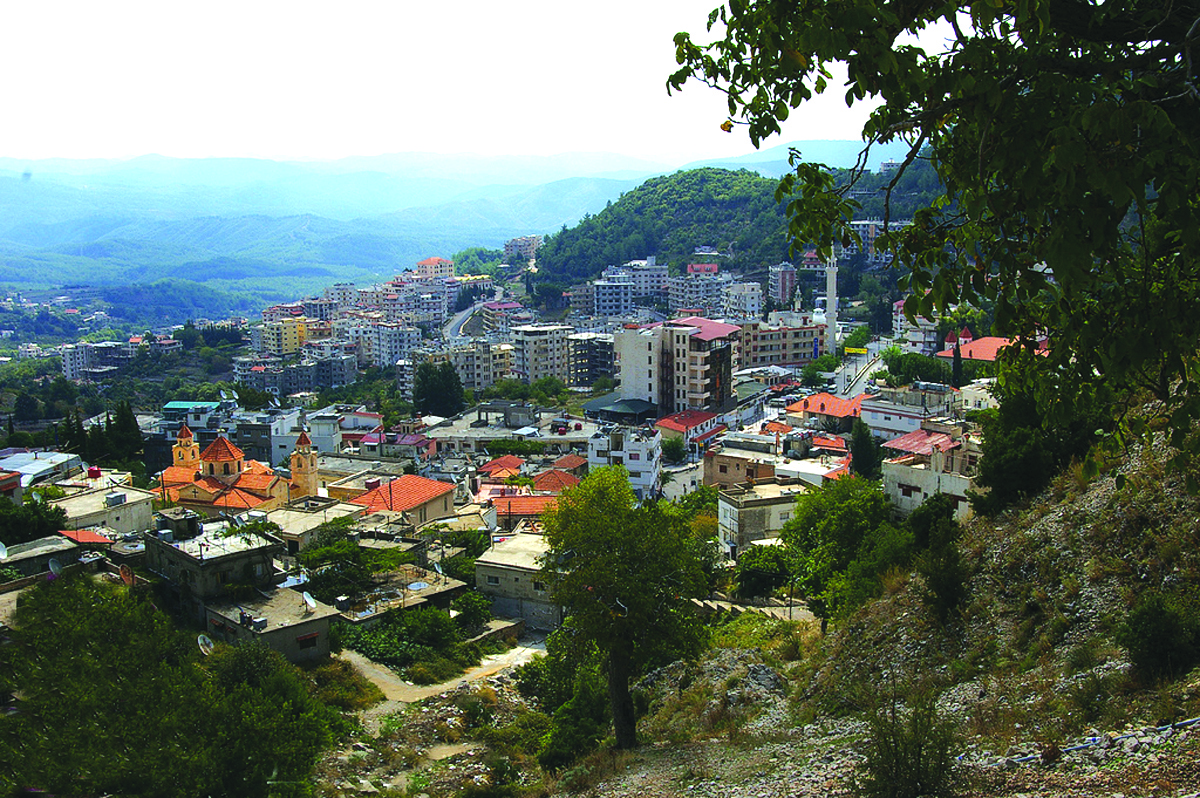
Kessab is a historic mountain town in Latakia countryside, Syria, known for its cool climate, forests, and Armenian cultural heritage.
Introduction: A Hidden Gem at the Edge of the Mediterranean
Perched high on the wooded slopes overlooking the Mediterranean Sea, and just a few kilometers from the Turkish border, lies Kessab — an ancient mountain town in Syria’s Latakia Governorate. Over the centuries, (كسب) Kessab has emerged as a unique crossroads of cultures, resilience, and natural beauty. Moreover, the town is widely known as a historic center of Armenian heritage, where traditions, architecture, and community life have endured despite repeated historical challenges.
As a result, Kessab continues to attract visitors with its cool summer climate, forested landscapes, historic stone houses, and a deep cultural identity rooted in centuries of continuity.
Where Kessab Is — Geography & Natural Setting
Kessab is located about 59 kilometers north of the city of Latakia, rising roughly 750–800 meters above sea level on the slopes of Mount Aqraa (also known as Jebel Aqra) and surrounded by dense conifer forests and deep valleys. The town lies only a few kilometers from the Turkish border and within a short distance from the sparkling Mediterranean Sea, making it both geographically significant and scenically spectacular.
The terrain is rich with wooded hillsides, terraces, and clear views of both mountain ridges and sea horizons — a landscape that has made Kessab a beloved summer retreat for Syrians and travelers seeking cool air and striking vistas.
Origins and Early History
The origins of Kessab stretch back more than a thousand years. Many historians associate the town’s early development with the Armenian communities that settled in the region during the medieval period. Over time, Kasab became an enduring center of Armenian life, shaped by faith, language, and close-knit social structures.
During the Ottoman era, particularly by the 16th century, historical records confirm the presence of Armenian households in Kassab. Therefore, the town evolved not merely as a rural settlement, but as a cultural stronghold where churches, schools, and communal institutions preserved identity through changing political eras.
Cultural Life: Homes, Schools, and Community
Before the disruptions of the 2010s, Kessab was known for its harmonious blend of Armenian and small Arab (largely Alawite) communities, who together shaped the cultural and social life of the region.
The town featured Armenian churches, historic stone houses, and community schools that fostered education from early ages through secondary levels — often reflecting traditions passed down across generations. These institutions helped preserve language, faith, music, and social customs that linked Kassab’s residents to their ancestors and to Armenian communities beyond Syria’s borders.
Cultural and Historic Importance
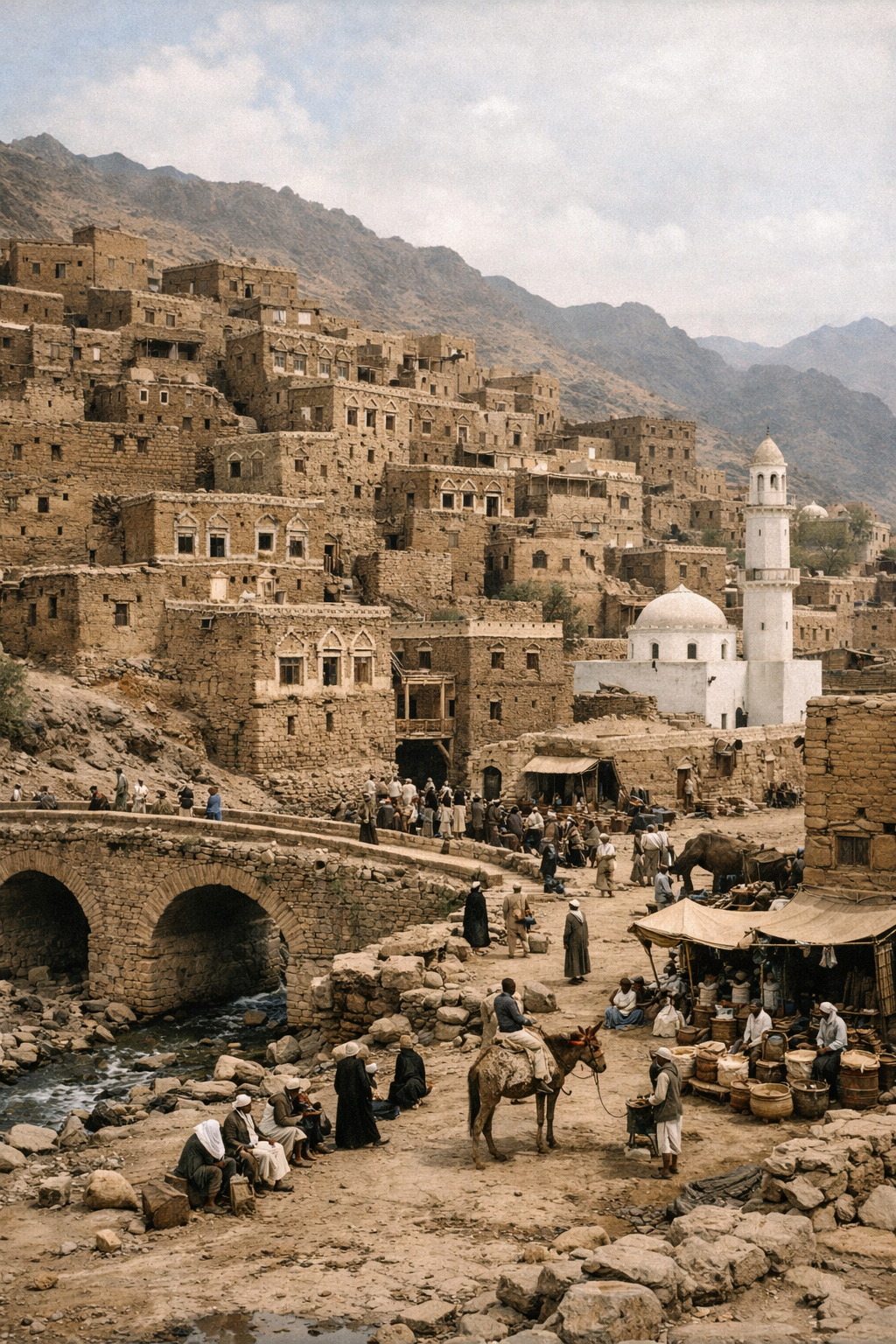
Kessab’s role goes well beyond its size; it has stood as a symbol of Armenian survival and adaptation within the Arab world. The town’s traditions, language, and religious life reflect a rich tapestry of Armenian Christianity, community cohesion, and cross-cultural exchange that endured long before modern nations formed and persisted through historic upheavals.
Additionally, Kasab’s natural environment — its cool mountain air and cedar forests — made it a center for summer tourism and a respite from the heat of the Syrian plains and coastal cities. Its landscapes, terraces, and ancient stone architecture attract not only those interested in history, but also nature lovers and photographers seeking dramatic vistas.
Life in Kessab Today
In the present era, Kassab is part of efforts to revitalize community life and tourism, reconnecting with cultural roots while celebrating the beauty of its surroundings. While the population remains smaller than in earlier decades, the resilience of local communities and visitors alike has renewed interest in Kessab as both a heritage site and travel destination.
Modern travelers often find in Kasab a quiet charm — historic stone houses, picturesque mountain roads, and sweeping views of forests and sea that reflect centuries of human presence harmonized with nature.
Video about Kassab city on our YouTube channel
How to Reach Kessab
Reaching Kasab is relatively straightforward for those starting from Latakia. Regular minibuses and shared taxis connect the coastal city to the town, usually completing the journey in under an hour.
Moreover, transport frequency increases during summer months, when tourism peaks. Visitors coming from Aleppo or other Syrian cities typically travel via Latakia before ascending into the mountains. Historically, the nearby Turkish border crossing also contributed to Kessab’s role as a cultural meeting point between regions.
Hama Water Wheels (Norias): History and Facts About Syria’s Famous Landmark
Conclusion: A Place of Memory, Culture, and Beauty
In conclusion, Kessab is far more than a scenic mountain town. It is a place shaped by history, resilience, and landscape. From its medieval Armenian roots to its role in contemporary Syrian heritage, Kessab continues to embody cultural endurance and natural elegance.
Ultimately, whether viewed through the eyes of travelers drawn to its mountain vistas or descendants recalling ancestral homes, Kessab stands as a reminder that places carry human stories — stories of identity, survival, and hope — across generations.
Latakia: History, Culture and Facts About Syria’s Coastal City
Leave a Reply