
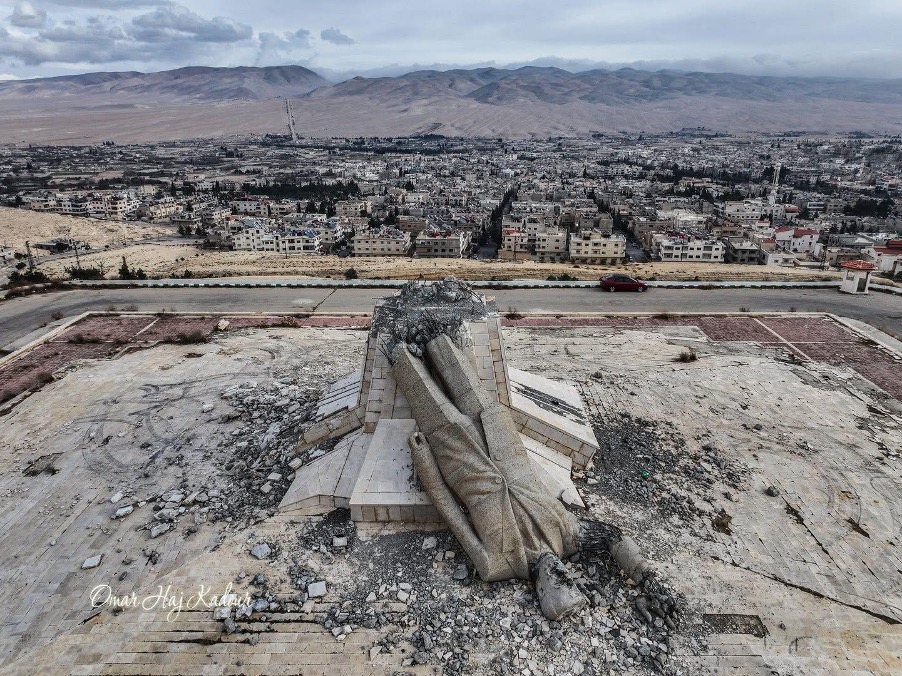
Deir Atiyah: The Historic Mountain Town of the Qalamoun Mountains in Syria
Introduction to Deir Atiyah
Deir Atiyah is a historic town in the Qalamoun Mountains of western Syria. It sits about 1,250 meters above sea level, which gives it a cooler climate than nearby desert regions.
The town has deep historical roots and a strong sense of community. For centuries, travelers and traders passed through the Qalamoun region and stopped in Deir Atiyah. Because of this, the town became an important local center.
Today, Deir Atiyah combines history, culture, and modern development. Local institutions such as museums, cultural centers, and the University of Kalamoon support education and preserve regional traditions.
Although Deir Atiyah is not as famous as Syria’s major archaeological cities, it still represents an important part of the region’s heritage.
Location of Deir Atiyah
Deir Atiyah lies in Rif Dimashq Governorate, about 88 kilometers north of Damascus. The town stands along the M5 highway, the main road connecting Damascus, Homs, and Aleppo.
Its location in the Qalamoun Mountains gives it a unique landscape. Rocky hills surround the town, while small valleys provide land for agriculture.
Because of the elevation, summers are moderate and winters can be cold. Snow sometimes falls in the surrounding mountains.
The town’s position along important travel routes made it a natural stop for traders and travelers in the past.
The Origins and Name of Deir Atiyah
The name Deir Atiyah carries historical and linguistic significance that reflects the region’s past.
In Arabic, the word “Deir” means “monastery,” suggesting that early Christian communities once lived or worshiped in the area. Many settlements across the Qalamoun Mountains preserve similar names that reflect their Byzantine and early Christian heritage.
Historians believe the second part of the name, “Atiyah,” may come from the name Theodorus Paulus, a Byzantine official. His name carried the meaning “Gift of God.”
Over time, local traditions translated this meaning into Arabic as ‘Aṭā’ Allāh, which also means “gift from God.” Through the centuries, this interpretation became part of the cultural identity of Deir Atiyah.
The town itself does not contain large monumental ruins. However, archaeological evidence across the Qalamoun region shows that Roman and Byzantine communities once lived here. They built irrigation channels, roads, and small settlements in the surrounding landscape.
These traces indicate that the region played an important role in connecting inland Syria with Mediterranean trade routes.
Deir Atiyah During the Ottoman Period
During the centuries of Ottoman rule, Deir Atiyah formed part of the administrative territories connected to Damascus.
Communities across the Qalamoun Mountains relied on agriculture, small trade networks, and local governance systems that linked them to the wider Ottoman provincial economy.
The mountainous environment limited large-scale farming, but local residents cultivated orchards and small agricultural plots wherever water sources allowed. Vineyards and fruit trees became especially important in the rural economy.
By the early twentieth century, economic opportunities in the region remained limited. Many residents of Deir Atiyah decided to migrate abroad in search of work.
Large numbers of emigrants traveled to South America and the Persian Gulf, where they established new communities while maintaining strong ties with their hometown.
One of the most visible cultural influences of this migration appears in the widespread local tradition of drinking mate, a hot herbal beverage originally popular in Argentina and other South American countries.
Syrian expatriates introduced mate to Deir Atiyah after returning from abroad, and today the drink remains a symbol of hospitality and social gatherings in the town.
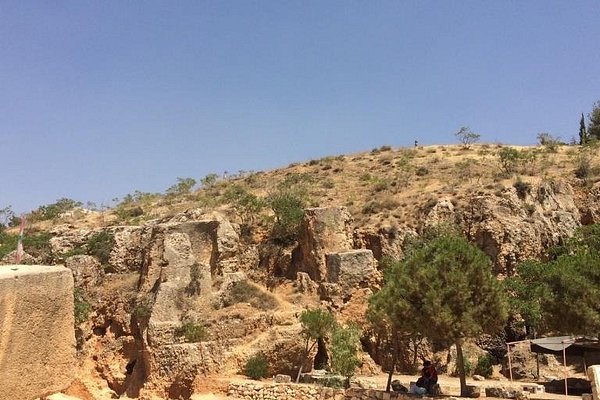
Deir Atiyah During the Syrian Civil War
Like many towns across Syria, Deir Atiyah experienced significant challenges during the Syrian civil war, which began in 2011.
Because of its position along the Damascus–Homs highway and its mixed religious population, the town became strategically important for several competing forces during the conflict.
In 2013, a car bomb exploded near a police station in Deir Atiyah, killing several people and demonstrating how instability in the Qalamoun region affected local communities.
Later that year, armed opposition groups, including factions associated with al-Nusra Front, briefly gained control of parts of the town. Government forces eventually regained control after military operations in the region.
Despite these difficult circumstances, many residents of Deir Atiyah continued to emphasize cooperation and coexistence between Muslim and Christian families.
Local religious and civic leaders often promoted unity and dialogue, seeking to protect the long-standing tradition of communal harmony that characterized life in the town for generations.
Culture and Daily Life in Deir Atiyah Today
Today, Deir Atiyah remains a relatively small but active community. According to the most recent full Syrian census conducted in 2004, the town had a population of just under 11,000 residents.
Despite economic challenges related to geography and regional instability, local cultural life continues to flourish.
Several institutions play an important role in preserving heritage and supporting community activities:
Museum of Deir Atiyah
The Deir Atiyah Museum preserves local folklore, historical artifacts, and traditional objects that reflect the cultural history of the Qalamoun region.
Cultural Palace and Sports Center
Community centers in Deir Atiyah host events, performances, and youth activities that strengthen social connections among residents.
University of Kalamoon
One of the most significant developments in the region came with the founding of the University of Kalamoon in 2003. This private university was among the first of its kind in Syria and provides higher education opportunities for students from across the country.
Agriculture also remains part of everyday life. Farmers cultivate grapes, apricots, cherries, figs, and other fruit trees in the valleys surrounding the town.
Historic windmills, some still used to pump groundwater, appear across parts of the landscape. These structures remind visitors of more than a century of adaptation to the mountainous environment.
How to Reach Deir Atiyah
Travelers can reach Deir Atiyah through Syria’s main highway network.
From Damascus
Drive north along the M5 highway toward Homs. After traveling approximately 88 kilometers, signs indicate the entrance to Deir Atiyah.
From Homs
Travel south on the same highway. Deir Atiyah lies roughly halfway between Homs and Damascus along the Qalamoun corridor.
Because infrastructure and travel conditions continue to change during Syria’s reconstruction period, visitors should always check current travel information and local guidance before planning a trip.
Al-Nabk: History and Facts About the Mountain City in Syria
Deir Atiyah: A Town of Resilience
Although Deir Atiyah does not attract the same global attention as Syria’s famous archaeological cities, the town represents an important part of the country’s cultural and social history.
From its possible Byzantine roots to its role in regional trade routes and its endurance during modern conflicts, Deir Atiyah tells a story of continuity across centuries.
Visitors who explore the Qalamoun Mountains often discover that the true spirit of the region lies not only in ancient ruins but also in the living communities that preserve traditions, celebrate shared culture, and continue to build their future.
In Deir Atiyah, the past and present remain closely connected, and the town’s enduring sense of identity continues to shape life in the mountains of Syria.
Leave a Reply