
📍 Bab Touma: The Gate of Time in the Heart of Damascus
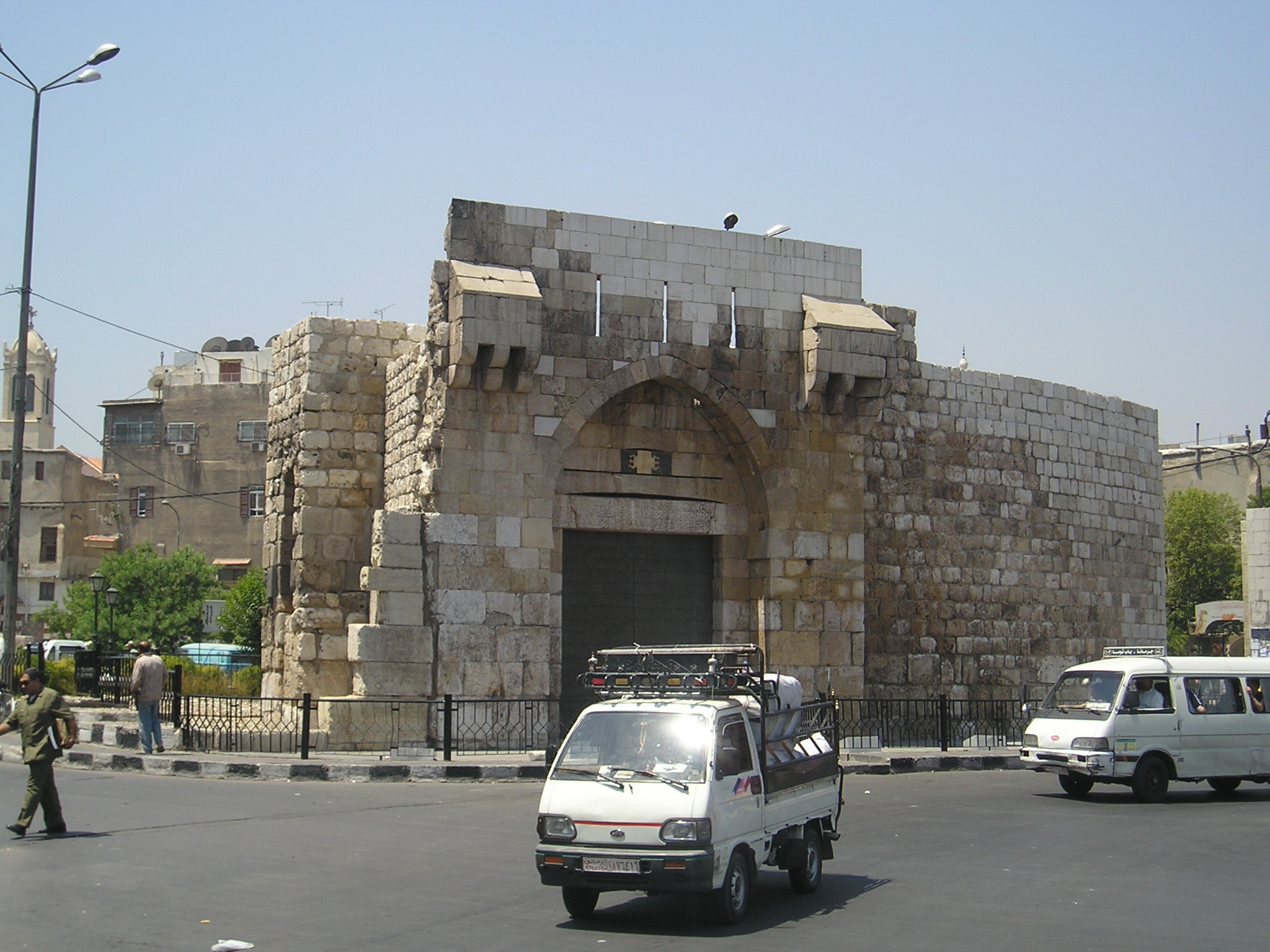
Nestled within the ancient walls of Damascus, Bab Touma (Arabic: باب توما, “Gate of Thomas”) stands as one of the most historically layered landmarks in the city. More than a medieval gateway, Bab Touma represents centuries of faith, resilience, and cultural coexistence. From Roman foundations to its present identity as the heart of Damascus’s Christian quarter, this gate continues to embody the spirit of the Old City.
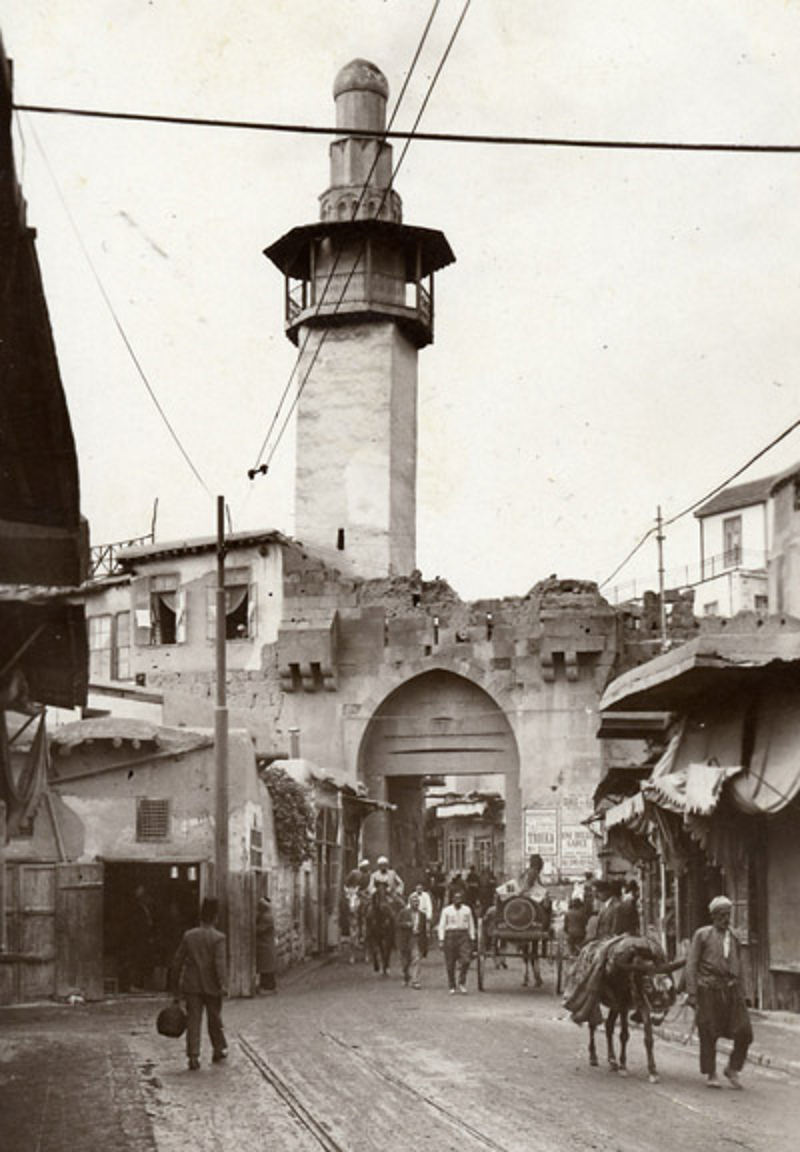
Bab Tuma and the Origins of Its Name
The name Bab Touma translates to “Gate of Thomas,” honoring Thomas the Apostle, one of the twelve disciples of Jesus Christ. According to Christian tradition, Saint Thomas passed through Damascus during his missionary journeys. During the Byzantine era, the gate was renamed in his honor, reflecting the city’s growing importance in early Christianity.
The Roman Foundations of bab tuma
Long before it carried its Christian name, Bab Touma formed part of the Roman defensive system of Damascus. The Romans built seven monumental gates into the city walls more than 2,000 years ago, and this gate originally stood as part of that strategic urban plan. Historical accounts suggest that the earlier Roman version of the gate was dedicated to Venus before the spread of Christianity reshaped the city’s religious identity.
The Roman influence remains embedded in the alignment and structure of the surrounding walls, reminding visitors that Bab Touma began as a symbol of imperial order and urban control.
Bab Toma During the Byzantine Era
Under Byzantine rule, Christianity flourished in Damascus, and Bab Touma gained new spiritual symbolism. Renamed to honor Saint Thomas, the gate became closely associated with the Christian population of the city. The surrounding district gradually developed into a religious and cultural center for Christian communities.
This period marked the transformation of Bab Touma from a purely defensive structure into a landmark infused with religious meaning.
Medieval Reconstruction of Bab Touma Under the Ayyubids
In the 13th century, the Ayyubid dynasty rebuilt Bab Touma. Much of the structure visible today reflects this medieval reconstruction. The design combined defensive practicality with architectural refinement, featuring solid stone blocks and a fortified archway.
Later, the Mamluk Sultanate carried out additional restorations, preserving the gate’s structural integrity while maintaining its strategic role in the city walls.
Bab Toma and the Christian Quarter of Damascus
Beyond the arch of Bab Tuma lies Damascus’s historic Christian quarter. Over centuries, the area became home to churches, monasteries, schools, and patriarchal residences. The neighborhood remains a vibrant center of Christian life in Syria.
The streets echo with church bells, while nearby mosques contribute the call to prayer, creating a unique atmosphere where faith traditions coexist within walking distance of one another.
Historical Events That Shaped Bab Touma
Bab Touma has witnessed significant historical events that influenced Damascus and its communities.
In 1840, the incident known as the Damascus Affair unfolded near the Bab Tuma district after the disappearance of a monk led to false accusations against members of the Jewish community. The episode reflected broader political tensions in the region.
In 1860, violent unrest reached parts of the Christian quarter, leaving a lasting impact on the area’s social fabric. Despite these challenges, Bab Touma endured and remained a central part of Damascus’s identity.
⛪ Spiritual and Cultural Significance
Today, Bab Tuma stands as both a historical monument and a living neighborhood entrance. Visitors pass through its archway into narrow stone-paved streets lined with traditional houses, artisan shops, cafés, and cultural centers.
For Christians worldwide, Bab Tuma symbolizes the early roots of Christianity in the Middle East. For historians, it represents the continuity of urban life from Roman times through Byzantine, Islamic, Ottoman, and modern eras.
The gate serves as a reminder that Damascus is not merely an ancient city — it is a living chronicle of civilizations layered upon one another.
Where Is Bab Touma Located in Damascus?
Bab Touma is situated in the northeastern section of Old Damascus, near the Umayyad Mosque and close to Bab Sharqi. Its location places it at the heart of one of the most historically dense quarters of the city.
How to Reach Bab Touma
Reaching Bab Touma is relatively straightforward:
On Foot: Walking through the Old City provides the most immersive experience.
Taxi or Public Transport: Minibuses and taxis can drop visitors near the ancient walls.
Local Guides: Many guided tours of Old Damascus include Saint Thomas Gate as a major stop.
Once near the gate, signs and local residents can easily direct visitors to the Bab Touma district.
Souq al-Hamidiyah Damascus: Historic Market and Cultural Landmark
Why Bab Touma Remains a Symbol of Damascus
Bab Touma represents continuity across centuries. From Roman urban planning to Byzantine devotion, from medieval reconstruction to modern neighborhood life, the gate reflects Damascus’s ability to preserve its heritage while remaining alive and active.
Bab Touma video on our YouTube channel
In a world where historic cities often lose their original character, Bab Tuma stands firm as a gateway not only to a neighborhood but to history itself.
Leave a Reply