
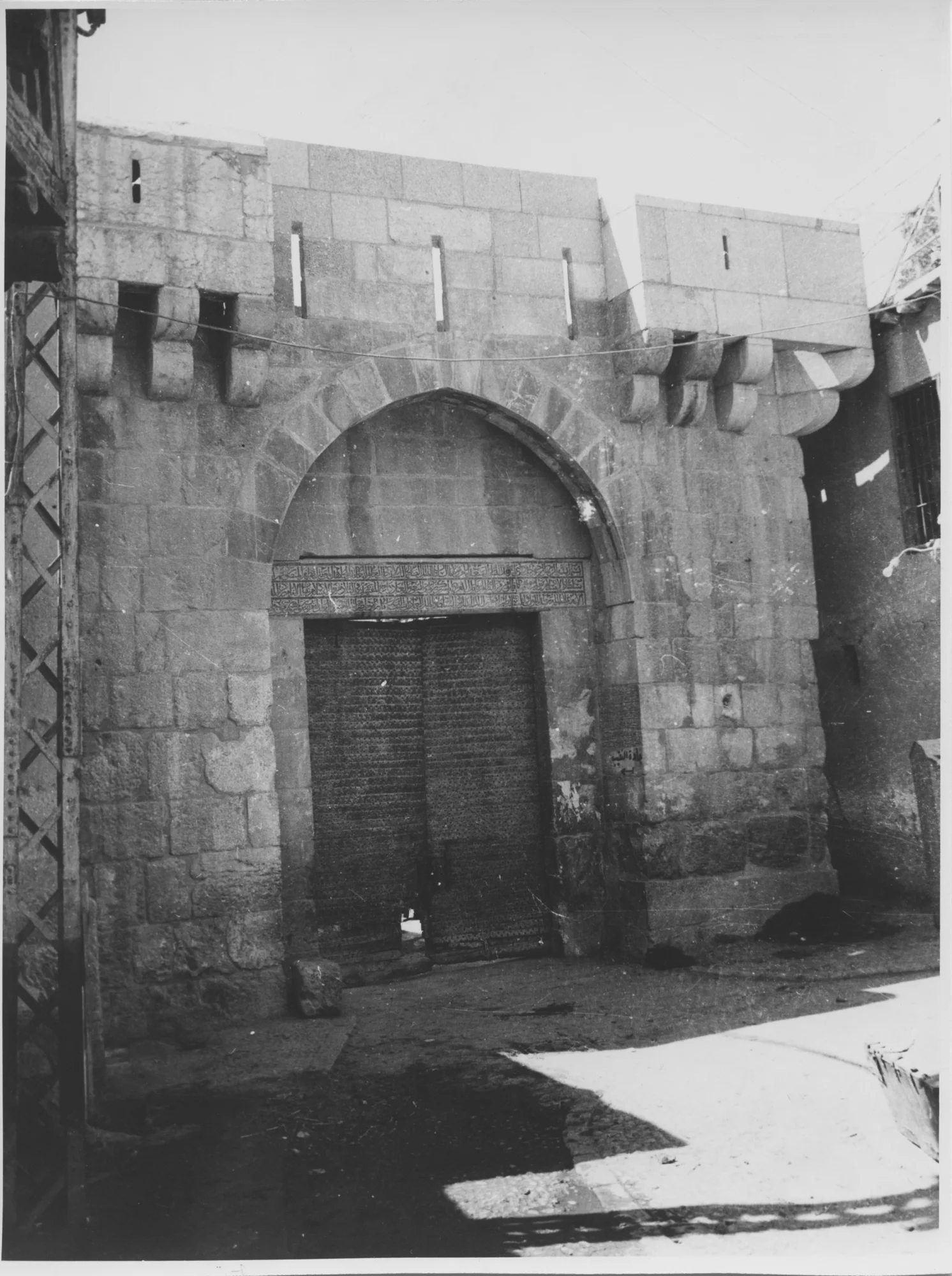
Bab al-Salam Damascus — The Gate of Peace: A Living Threshold to History in Damascus
Introduction to Bab al-Salam Damascus
Bab al-Salam Damascus(Arabic: باب السلام), which literally means “The Gate of Peace,” stands as one of the seven historic gates of Old Damascus, the capital of Syria. The city itself is widely known as one of the oldest continuously inhabited cities in the world.
For centuries, this historic gateway has served as an entrance to the fortified heart of Damascus. At the same time, it has symbolized a meeting point of civilizations. Roman, Byzantine, Islamic, Ayyubid, and Ottoman cultures all left their marks on the city and its walls. Therefore, Bab al-Salam represents more than a simple architectural structure; it reflects the long and layered history of Damascus.
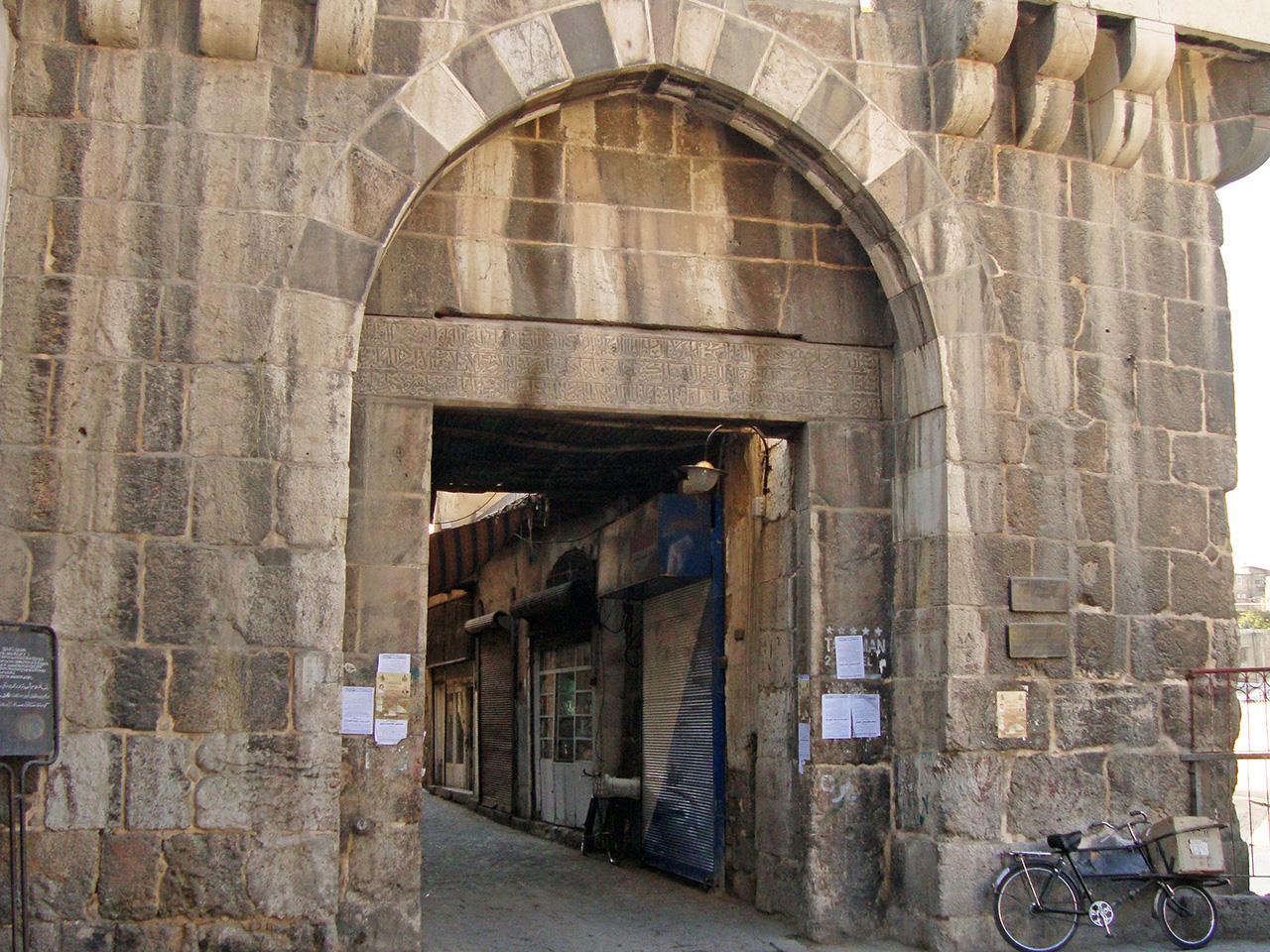
Historical Background of Bab al-Salam Damascus
Roman Origins of Bab al-Salam
Bab al-Salam originally dates back to the Roman era. At that time, it formed part of a large defensive wall system built to protect Damascus. The city was an important provincial center of the Roman Empire, so strong fortifications were necessary.
In Roman times, the gate was also called the “Gate of the Moon.” This name was likely connected to a lunar deity worshiped in the region. As a result, the gate reflected the cosmopolitan nature of Damascus, which stood between eastern and western worlds.
Furthermore, Roman builders used massive stone blocks and strong construction techniques. Even today, parts of these foundations remain visible and demonstrate the durability of Roman engineering.
Medieval Transformations of Bab al-Salam Damascus
Over the centuries, Damascus passed through the hands of many different rulers. Consequently, Bab al-Salam experienced several phases of restoration and architectural change.
During the Ayyubid period in the 12th and 13th centuries, the gate received major improvements. In particular, the Ayyubid ruler Al‑Salih Ismail rebuilt and strengthened the structure in the mid-13th century. Arabic inscriptions at the site credit him with this reconstruction.
However, earlier restoration work had already begun under the leadership of Nur ad‑Din in the 12th century. His administration invested heavily in improving the city’s fortifications.
Unlike some other gates of Damascus, Bab al-Salam did not function mainly as a military fortress. Instead, it acted as a welcoming entrance for travelers, merchants, and pilgrims. Therefore, the name Gate of Peace perfectly reflects its historical role in encouraging trade and cultural exchange.
Architectural Features of Bab al-Salam Damascus
Today, Bab al-Salam displays several architectural layers that reveal its long historical evolution.
Roman Foundations
First, the lower parts of the gate still show traces of Roman construction. Large stone blocks form a strong base that has supported the structure for centuries.
Ayyubid Islamic Details
Later modifications added pointed arches, decorative stone carvings, and other elements typical of medieval Islamic architecture. These features clearly reflect Ayyubid artistic styles.
Continuity and Preservation
Despite centuries of change, Bab al-Salam remains one of the best-preserved gates of Old Damascus. As a result, visitors can easily observe how different architectural traditions merged in a single monument.
Location and Symbolism of Bab al-Salam Damascus
Bab al-Salam stands along the northern edge of Old Damascus. Historically, this position marked an important entrance into the ancient urban center.
Because of its northern location, the gate connected Damascus with major cities such as Homs and Aleppo. Consequently, traders and travelers often entered the city through this route when moving across the Levant.
While many city gates were designed primarily for defense, Bab al-Salam carried a more welcoming meaning. Its name symbolized peace, hospitality, and cultural exchange. Therefore, the gate became a symbolic entrance where people, goods, and ideas moved freely.
Cultural and Modern-Day Importance of Bab al-Salam Damascus
Today, Bab al-Salam remains an important historical landmark within Old Damascus. The gate forms part of the ancient wall network that surrounds the historic city.
Significantly, the Old City of Damascus has been recognized by UNESCO as a World Heritage Site. This designation highlights the extraordinary historical value of the city and its monuments.
Moreover, the area around the gate continues to be lively and culturally rich. Visitors often explore nearby markets, traditional houses, and historic mosques. Walking tours frequently include Bab al-Salam as part of routes through the famous souks of Damascus.
Although Damascus has faced difficult periods in modern history, its historic gates still represent resilience and continuity. They remind visitors that the city’s cultural heritage has survived for thousands of years.
How to Visit Bab al-Salam Damascus
Getting There
Bab al-Salam lies within the Old City of Damascus, a pedestrian-friendly district. Because the streets are narrow and historic, exploring the area on foot provides the best experience.
Visiting Bab al-Salam from the Citadel
Many visitors begin their journey at the historic Citadel of Damascus, which stands at the northwest corner of the Old City.
From the citadel:
Walk east along the old city walls.
Continue until you reach Bab al-Salam.
Explore the nearby streets filled with traditional shops selling spices, textiles, perfumes, and Damascene handicrafts.
Visitor Tips for Bab al-Salam Damascus
Best time to visit: Early morning or late afternoon offers cooler temperatures and softer light for photography.
Footwear: Comfortable walking shoes are recommended because the streets are often cobbled and uneven.
Guided tours: Local guides can provide deeper historical insights about the city gates and their role in Damascus’s urban layout.
Bab al-Jabiyah Damascus: The Historic Western Gate of Old Damascus
Conclusion: Bab al-Salam Damascus
and the Living History of Damascus
Bab al-Salam remains far more than an ancient stone gateway. Instead, it represents a powerful symbol of Damascus’s long and complex history.
From its Roman beginnings as the Gate of the Moon to its medieval reconstruction under Ayyubid rulers, the gate reflects centuries of cultural interaction. Today, it continues to welcome visitors who wish to explore the historic heart of Damascus.
Ultimately, Bab al-Salam invites every traveler to step through a doorway into the past and experience the enduring heritage of one of the world’s most historic cities.
Bab Sharqi Damascus: The Historic Eastern Gate of Old Damascus
Leave a Reply