
Introduction
Arwad Island (Arabic: جزيرة أرواد) is one of the most historically rich and culturally unique destinations in the eastern Mediterranean. Located just off the coast of Tartus in Syria, it is the only inhabited island in the country and has been continuously occupied for more than 4,000 years. From its origins as a powerful Phoenician port to its present-day role as a traditional fishing community, Arwad Island offers visitors a rare and immersive journey through time.
The geographical location and natural environment of Arwad Island
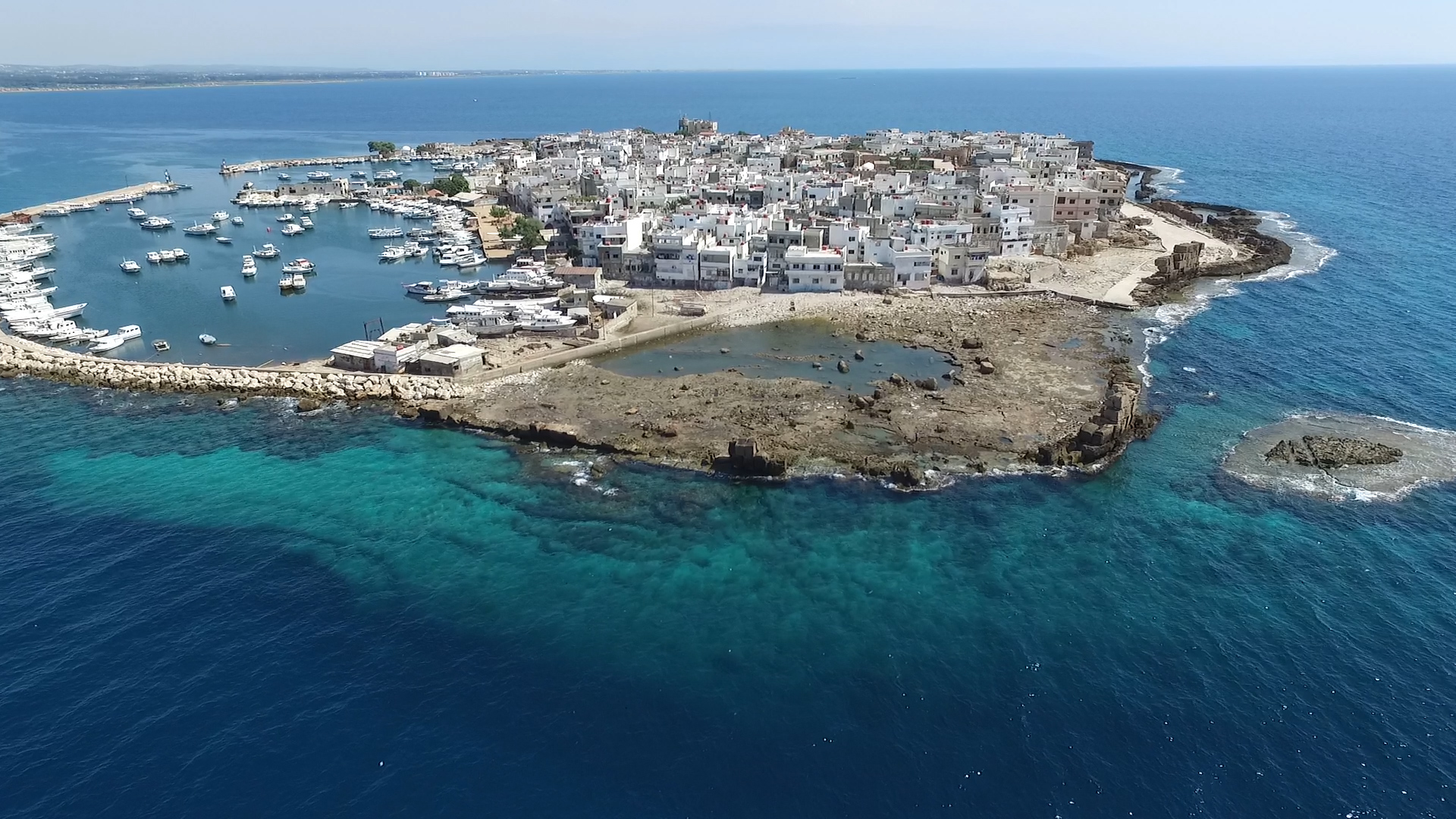
Arwad Island lies approximately 3 kilometers (1.9 miles) off the Syrian coastline near the city of Tartus, surrounded by the clear blue waters of the eastern Mediterranean Sea. Measuring about 800 meters in length and 400–500 meters in width, the island covers only 0.2 square kilometers, yet it holds exceptional historical importance.
The island’s rocky, low-lying terrain is densely built with stone houses and narrow streets, giving Arwad a fortress-like appearance when viewed from the sea. Its strategic maritime position made it a crucial lookout point and military stronghold throughout different historical eras.

A Deep Dive into History
Ancient Era: Phoenician Powerhouse
Arwad’s recorded history dates back to the early 2nd millennium BCE, when it was founded by the Phoenicians—renowned seafarers, traders, and navigators of the ancient Mediterranean world. Known in antiquity as Arados, the island quickly rose to prominence as one of Phoenicia’s most important maritime cities.
From Arwad, Phoenician merchants traded cedarwood, glassware, textiles, and luxury goods across vast Mediterranean trade networks. The island’s powerful navy is mentioned in Egyptian, Assyrian, and biblical records, highlighting its regional influence and military significance.
Classical & Roman Rule
During the Greek and later Roman periods, Arwad retained its strategic importance as a naval base and coastal fortress. It played a key role in protecting maritime routes along the Syrian coast, while its fortifications and urban layout reflected architectural influences from successive classical civilizations.
Medieval times on Arwad Island: Crusaders, Mamluks, and strategic warfare
In the 12th and 13th centuries CE, Arwad Island gained renewed strategic value during the Crusades. It became a major staging point for Crusader forces and was among the final strongholds of the Crusaders in the Levant.
The Citadel of Arwad, which still dominates the island today, preserves architectural elements from this turbulent period. In 1302 CE, Mamluk forces captured the island, ending the last significant Crusader military presence in the region.
Ottoman and modern eras of Arwad Island
Under Ottoman rule, Arwad evolved into a thriving fishing and shipbuilding community, maintaining its maritime traditions for centuries. During World War I, the island came under French occupation as part of broader regional conflicts, before eventually returning to Syrian sovereignty in the mid-20th century.
In recent years, discussions around heritage conservation and sustainable tourism development have aimed to preserve Arwad’s historical character while improving visitor access.
The cultural and historical importance of Arwad Island
Arwad Island’s significance lies in its continuous human occupation and strategic maritime location. It served as a vital link in Phoenician trade routes connecting Egypt, Mesopotamia, Cyprus, and the Aegean world.
Across centuries, its role shifted between commerce, military defense, and community life. Today, Arwad remains a traditional fishing village, where wooden boats, stone homes, and narrow alleys preserve a living heritage shaped by millennia of history.
What to See & Do on Arwad Island
1. The Historic Citadel
The Citadel of Arwad (قلعة أرواد) is the island’s most prominent landmark. Built upon earlier foundations dating back to the Crusader period, its massive stone walls offer insight into medieval military architecture and provide panoramic views of the Mediterranean Sea.
2. Ancient City Walls & Streets
Visitors can walk along remnants of ancient defensive walls and explore narrow cobblestone streets lined with historic houses, small shops, and everyday island life.
3. The Old Harbor
The lively harbor is ideal for photography and observing traditional fishing practices. Nearby cafés and seafood restaurants offer authentic local flavors with scenic sea views.
4. Religious & Cultural Sites
Small chapels and religious landmarks reflect Arwad’s diverse spiritual history, from Byzantine Christianity to later Islamic traditions.
How to Reach Arwad Island
The primary access to Arwad Island is by boat from Tartus Port. Local ferries and small vessels operate regularly, with crossing times ranging from 15 to 30 minutes, depending on sea conditions.
Visitors should check schedules locally and carry cash, as card payment options may be limited. Comfortable footwear is recommended due to uneven stone paths and cobblestone streets.
Visitor Tips & Practical Info
Best Seasons: Spring and early autumn for mild weather and calm seas
Local Culture: Dress modestly, especially near religious sites
Food: Fresh seafood and Mediterranean dishes are widely available
Safety: Check local travel advisories, as conditions may change
Entry Fees & Tourism (2026 Estimates)
Currently, Arwad Island does not operate under a formal ticketing system like major UNESCO World Heritage Sites. Visits are generally informal, with transportation and optional guided tours arranged from Tartus.
Boat transport fees vary and are usually paid in local currency. Organized day tours may be available through local operators, with prices depending on season and included services. As of 2026, no official fixed entry fee for the island itself has been announced.
Discover details about Arwad Island on our YouTube channel.
Masyaf Castle: History and Facts About the Famous Ismaili Fortress in Syria
Conclusion: Why Visit Arwad Island?
Arwad Island is far more than a small island off the Syrian coast—it is a living museum of Mediterranean civilization. Every stone wall, harbor, and alley reflects centuries of maritime power, cultural exchange, and human resilience.
For history enthusiasts, cultural explorers, and travelers seeking authentic, off-the-beaten-path destinations, Arwad Island offers a rare opportunity to experience the enduring heritage of the eastern Mediterranean in one compact and unforgettable setting.
Leave a Reply